Global Reach: Over 13,000 Machines Installed in 67+ Countries and Still Counting...

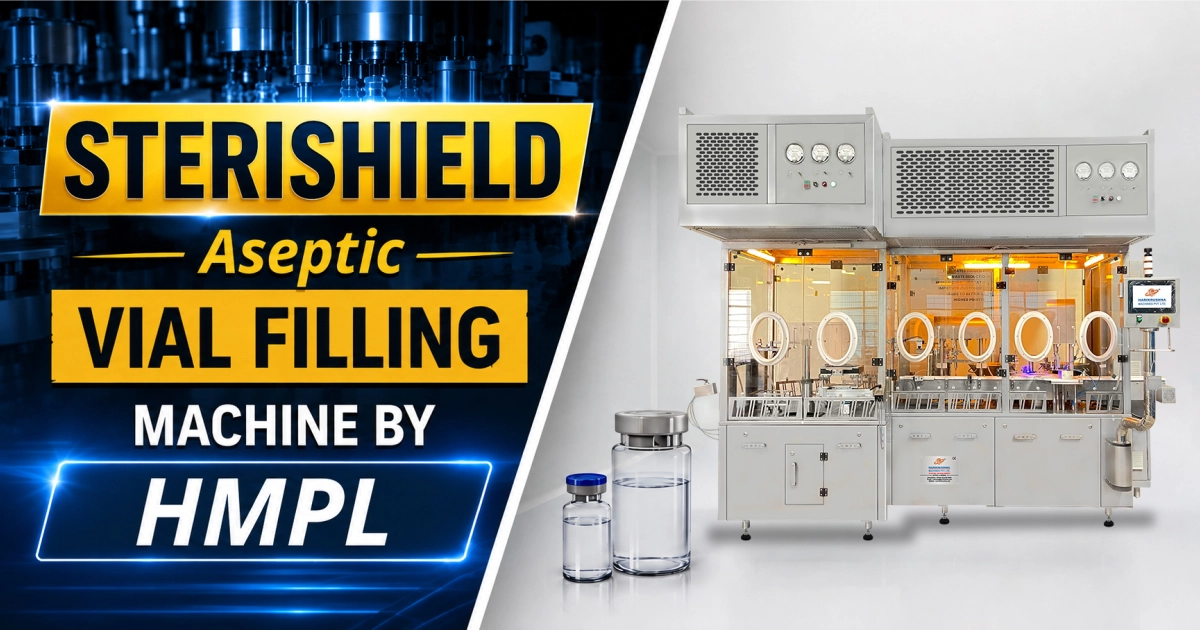
SteriShield: Aseptic Vial Filling Machine by HMPL
Quick Answer: HMPL SteriShield is a fully integrated isolator/RABS-protected aseptic vial filling machine for 0.2 ml-5 ml liquid vials. It automates D-nesting, piston-pump dosing, stoppering, capping and 100% in-line rejection, helping pharma manufacturers cut product wastage, reduce contamination risk, and stay compliant with CE, FDA and EU GMP requirements.
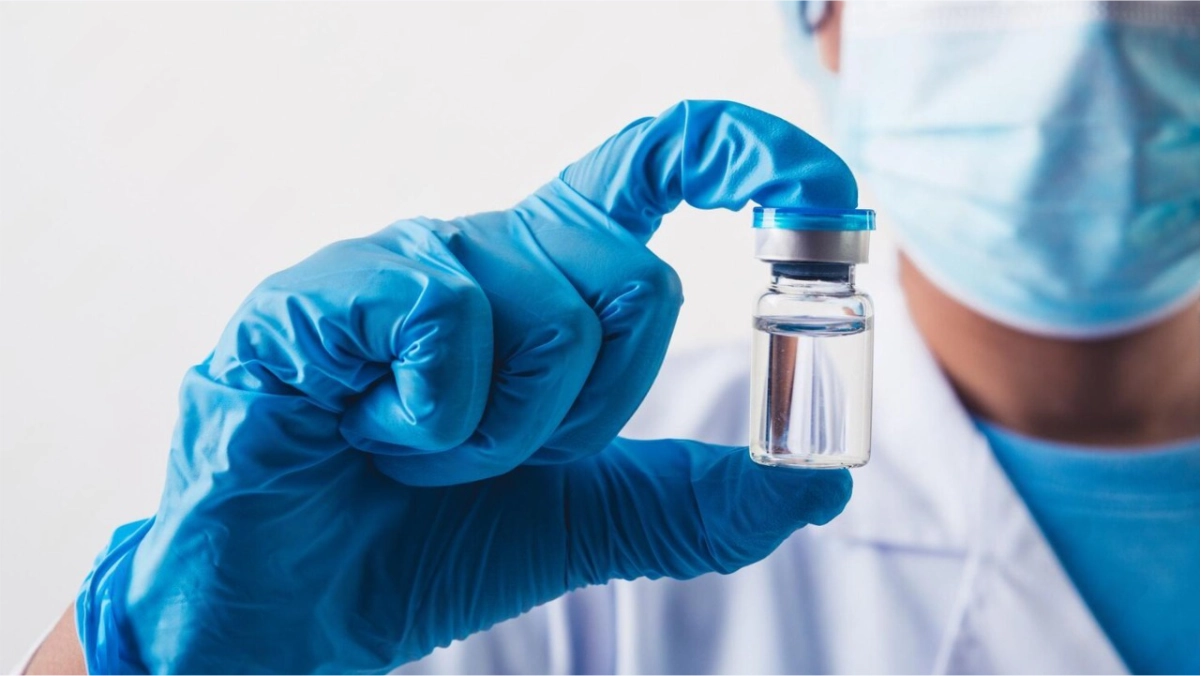
Gloved hand holding a clear pharmaceutical vial representing aseptic vial filling precision

Aseptic vial filling is one of the most unforgiving processes in pharmaceutical manufacturing. A single deviation in containment, dosing accuracy, or operator handling can contaminate an entire batch, trigger a regulatory hold, or write off a high-value biologic formulation overnight.

For Plant Managers and Procurement Heads, the real question is not whether aseptic filling is challenging. It always is. The real question is whether your current aseptic vial filling machine actively reduces risk or quietly increases it through manual handling, inconsistent dosing, and unplanned downtime. HMPL SteriShield is purpose-built to eliminate these challenges by delivering precise, reliable, and compliant aseptic vial filling performance.

Before looking at any solution, it helps to name the problem in numbers your finance team already tracks:

  • Product wastage: Every percentage point of fill-volume variance on a high-value biologic or oncology drug translates directly into lost product cost.
  • Unplanned downtime: Manual nest handling and changeovers between batches add non-productive hours that procurement rarely budgets for upfront.
  • Compliance exposure:A contamination event during fill-finish can lead to batch rejection, regulatory deviations, and significant production losses.
  • Operator safety risk: Open or semi-open filling environments increase operator exposure when working with cytotoxic or high-potency formulations.

Inside HMPL SteriShield: Engineered for Zero-Compromise Aseptic Filling
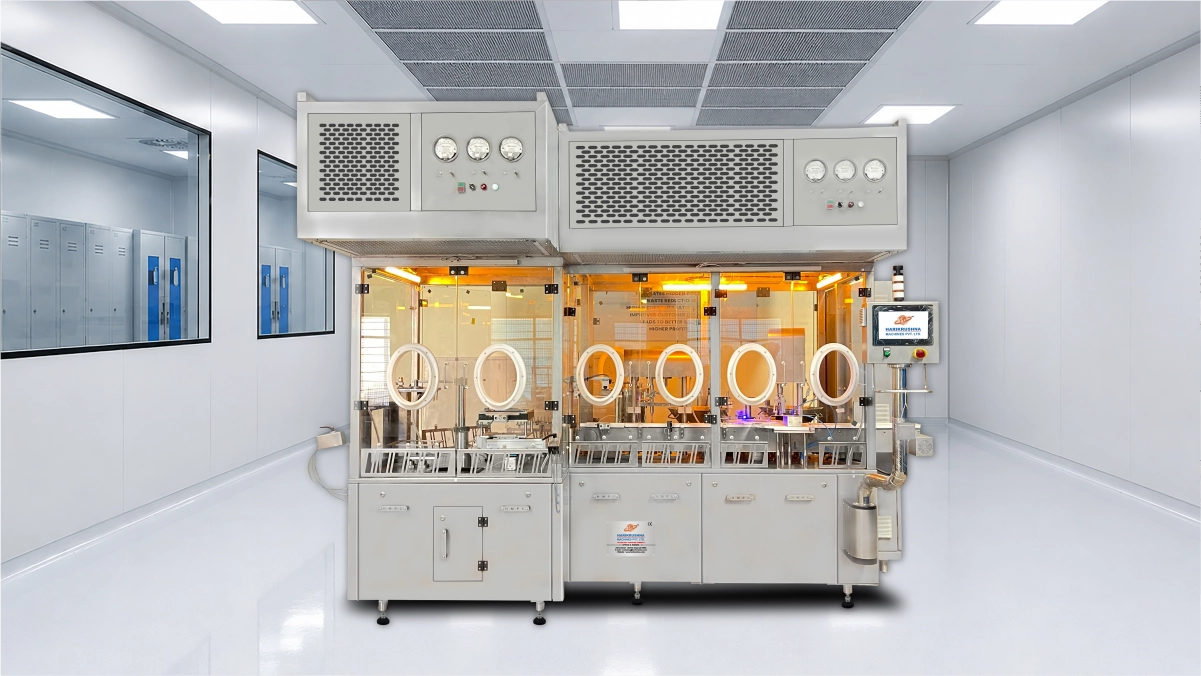
Full cleanroom view of the HMPL SteriShield Aseptic Vial Filling Machine with integrated isolator

SteriShield is engineered as a fully integrated aseptic filling line rather than a collection of standalone stations, making it ideal for 0.2 ml to 5 ml vial applications. Every stage, from nest handling and precision filling to stoppering, capping, and final rejection, operates within a single controlled and validated environment to ensure product integrity, process consistency, and regulatory compliance.

1. Isolator or Closed RABS Containment

Manufacturers can specify either a full isolator or a Closed Restricted Access Barrier System (RABS), depending on the potency profile of their product and existing facility design. Both configurations maintain Grade A conditions around the filling zone while protecting operators from exposure.

2. Servo-Driven D-Nesting and XY Gantry Vial Placement

Pre-sterilized nested vials are automatically de-nested and transferred using a high-precision servo-controlled XY gantry system. This advanced automation ensures accurate, repeatable vial positioning throughout the process, enabling high-speed handling of small-format vials while minimizing human intervention and maintaining aseptic integrity.

3. Precision Piston Pump Filling with Volumetric Accuracy up to 0.2 ml
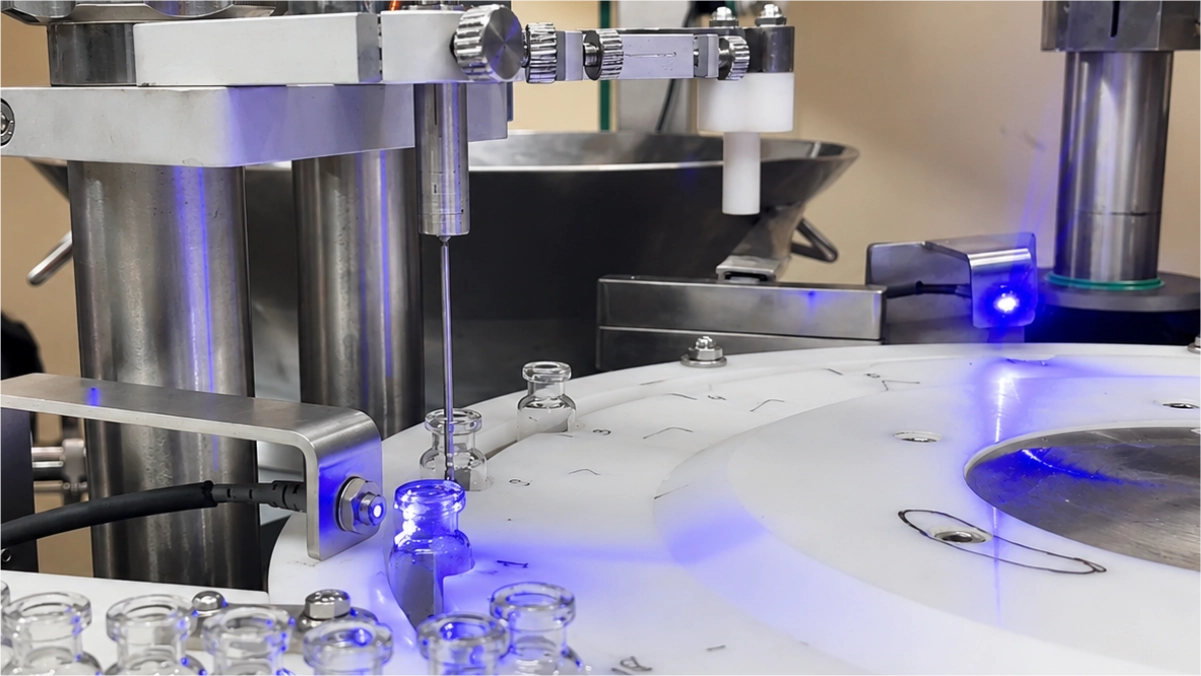
Precision liquid filling process in pharmaceutical vials using piston pump technology

At the core of the system, the advanced piston pump filling unit delivers highly accurate volumetric dosing for every vial. Integrated pre- and post-fill load-cell verification continuously monitors each fill in real time, ensuring precise weight confirmation for every vial while maintaining consistent product quality and regulatory compliance.

This level of control is what makes SteriShield suitable for oncology drugs, vaccines, and other low-volume, high-value formulations where even a 1-2% dosing variance is commercially unacceptable.

4. Integrated Stoppering, Capping & Automatic Rejection
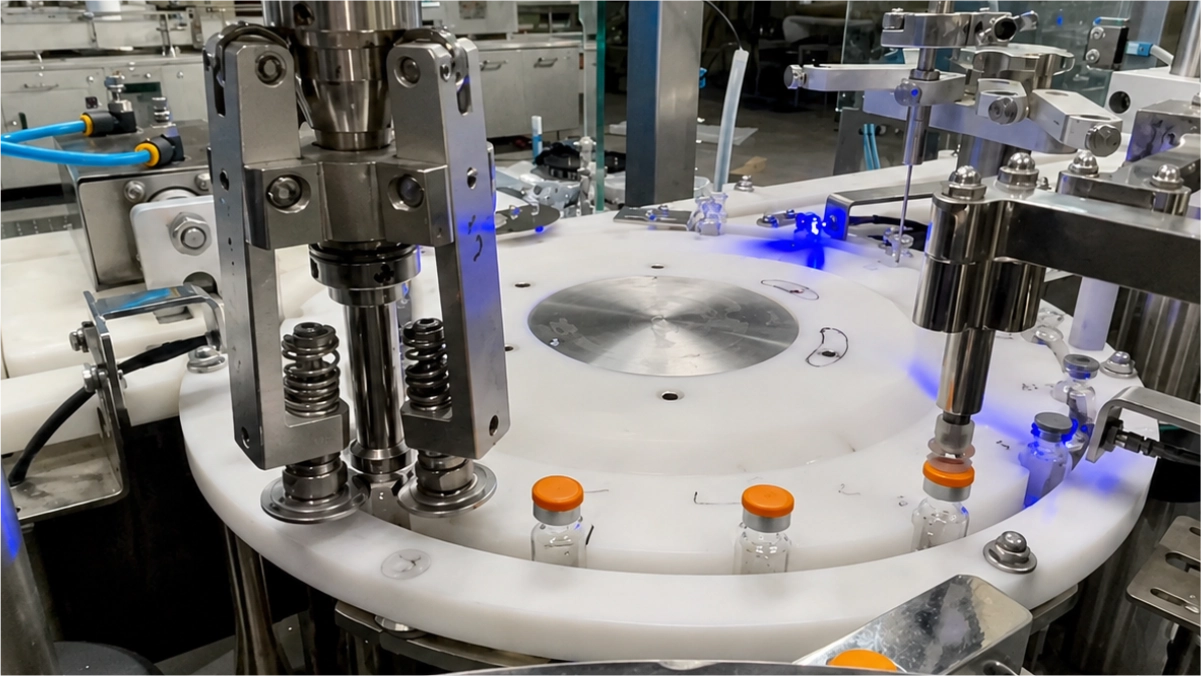
Automated rubber stoppering and aluminum cap sealing station inside the SteriShield machine

Following the filling process, the system automatically performs stoppering and capping within the same controlled aseptic environment, preserving product sterility throughout production. An integrated in-line inspection system verifies fill volume, stopper placement, and cap integrity, automatically rejecting any vial that does not meet predefined quality specifications to ensure consistent product quality and regulatory compliance.
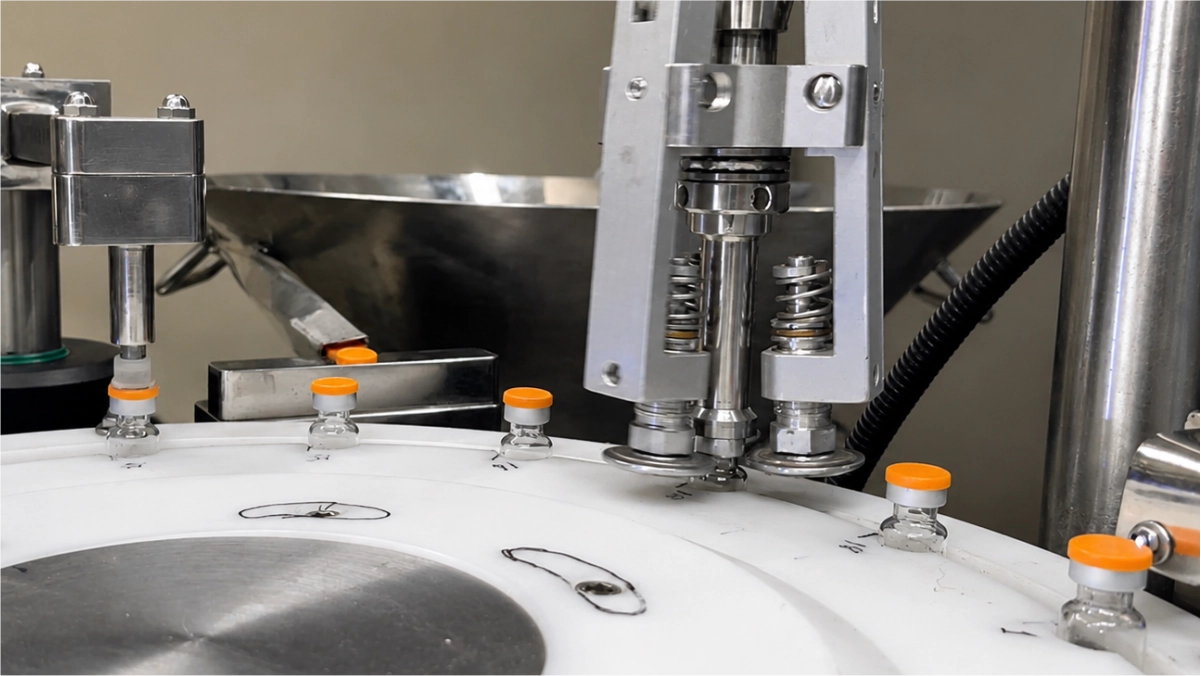
Close-up of the aluminium cap sealing mechanism ensuring a hermetic closure for injectable vials

Business Impact: How SteriShield Improves Your ROI

Technical precision only matters if it shows up on the P&L. Here is how each SteriShield capability maps to a measurable business outcome.

Pain Point SteriShield Capability Business Impact
Product wastage on high-value drugs Load-cell verified piston pump dosing (0.2 ml-5 ml) Tighter fill tolerance reduces give-away volume and rejected batches
Manual handling delays Servo-driven D-nesting and XY gantry placement Faster, repeatable changeovers cut non-productive line time
Contamination / deviation risk Isolator or Closed RABS containment Fewer environmental monitoring excursions and deviation reports
Legacy line compatibility SCADA-ready integration with existing equipment Upgrade aseptic capability without a full line replacement
Validation delays Complete IQ/OQ/PQ documentation package Shorter qualification timeline, faster time-to-production

Validation Support and Seamless Integration

The automated stoppering and capping system securely seals each vial within the same controlled aseptic environment immediately after filling, preserving sterility throughout the process. An integrated in-line inspection system continuously verifies fill volume, stopper positioning, and cap integrity, automatically removing any non-conforming vials to ensure consistent quality, product safety, and regulatory compliance.

Built for Global Compliance and Export Markets
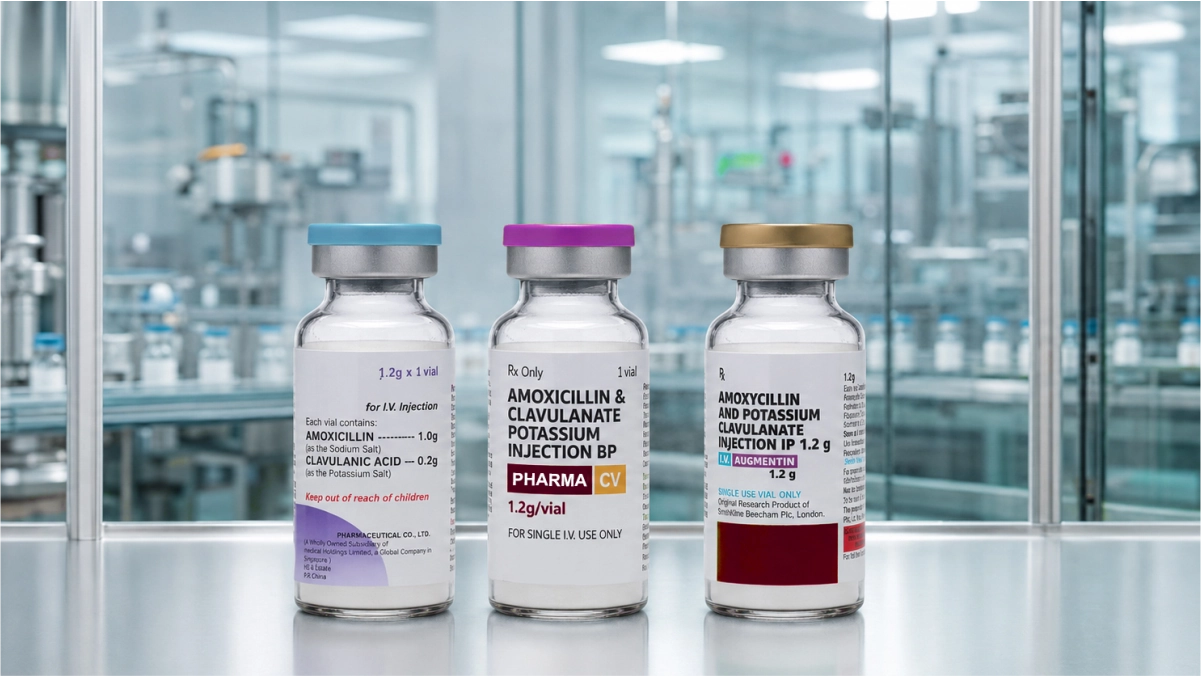
Finished pharmaceutical vials demonstrating the global compliance and export quality output of HMPL machines

HMPL designs and manufactures CE-marked pharmaceutical machinery in compliance with WHO-GMP and EU GMP standards, utilizing FDA-grade product contact materials and GAMP 5-aligned automation. Backed by 13,000+ successful machine installations across 67+ countries, our aseptic filling solutions deliver the reliability, precision, and regulatory compliance required by pharmaceutical manufacturers operating in highly regulated global markets.

Standard / Certification What It Covers
CE Marking European conformity for machine safety and design
WHO-GMP Good Manufacturing Practice design alignment
EU GMP (incl. Annex 1 principles) Sterile/aseptic manufacturing environment standards
FDA-Grade Materials Product-contact parts suitable for regulated drug manufacturing
GAMP 5 Risk-based automation and computer system validation

About Harikrushna Machines Pvt. Ltd.

THE NAME, MARK OF TECHNOLOGY, QUALITY & PERFORMANCE.

Harikrushna Machines Pvt. Ltd. (HMPL) is an ISO 9001:2015 and CE-certified company with over 25 years of expertise as a leading Original Equipment Manufacturer (OEM) for pharmaceutical processing and packaging solutions. We design and manufacture Oral Liquid Manufacturing Plants, Complete Packaging Lines, Standalone Machines, and Packaging Ancillary Equipment, delivering reliable, high-performance solutions tailored to the pharmaceutical industry.

With 13,000+ successful machine installations across 67+ countries, HMPL has earned the trust of pharmaceutical manufacturers worldwide. Our USFDA and EU GMP-compliant machines combine precision engineering, advanced automation, and regulatory compliance to help customers achieve efficient, reliable, and world-class pharmaceutical manufacturing. Explore Our Infrastructure and our achievements.

Behind every high-performance pharmaceutical machine is a world-class manufacturing facility. Explore our advanced infrastructure to see how cutting-edge technology, precision engineering, and stringent quality standards enable us to deliver reliable pharmaceutical machinery.

Our achievements reflect a legacy of innovation, engineering excellence, and long-standing customer trust. Discover how our global presence, commitment to quality, and proven track record in delivering advanced pharmaceutical machinery have positioned HMPL as a preferred partner for manufacturers worldwide.

About HMPL Sterile

YOUR PATHWAY TO HASSLE FREE STERILE DRUG PACKAGING.

HMPL Sterile is the specialized division of Harikrushna Machines Pvt. Ltd., dedicated to manufacturing advanced aseptic packaging machinery in the pharmaceutical industry. We engineer high-performance equipment that delivers precision, reliability, and compliance with global regulatory standards. By combining innovation with robust engineering, we help pharmaceutical manufacturers achieve efficient, safe, and consistent aseptic packaging operations.

Conclusion

Vial packaging plays a critical role in protecting sterile pharmaceutical products by maintaining container integrity, product stability, and contamination-free storage throughout the product lifecycle. Precision filling, secure sealing, and accurate labelling are essential to ensure regulatory compliance, patient safety, and consistent product quality.

Discover the key stages, technologies, and best practices in our comprehensive Vial Packaging Guide and learn how advanced packaging solutions optimize efficiency while safeguarding every dose.

Aseptic vial filling demands uncompromising performance to protect both product sterility and operator safety. HMPL SteriShield combines advanced containment technology, servo-driven automation, precision piston pump filling, and integrated verification within a single validation-ready platform for 0.2 ml to 5 ml vial applications, delivering consistent, reliable, and compliant aseptic manufacturing.

For plant managers evaluating a new aseptic vial filling machine, or procurement heads comparing fill-finish lines on total cost of ownership, SteriShield is engineered to reduce wastage, downtime, and compliance risk in equal measure.
For plant managers evaluating a new aseptic vial filling machine, or procurement heads comparing fill-finish lines on total cost of ownership, SteriShield is engineered to reduce wastage, downtime, and compliance risk in equal measure.
Frequently Asked Questions

What is the fill volume range of the HMPL SteriShield aseptic vial filling machine?
SteriShield handles liquid vial fill volumes from 0.2 ml to 5 ml, using piston pump technology with pre- and post-fill load cell verification for consistent dosing accuracy.
Does SteriShield use an isolator or a RABS system?
SteriShield is available in both Full Isolator and Closed RABS configurations, allowing pharmaceutical manufacturers to select the most suitable solution based on product requirements, containment needs, and facility design. Both options provide a controlled aseptic environment to support reliable sterile manufacturing and regulatory compliance.
Is SteriShield compliant with USFDA and EU GMP requirements?
Yes. SteriShield is designed to USFDA and EU GMP standards and ships with a complete IQ/OQ/PQ validation documentation package to support regulatory qualification.
Can SteriShield integrate with our existing production line?
Yes. SteriShield is built for SCADA-ready integration with legacy equipment, enabling manufacturers to upgrade aseptic capability without replacing their full production line.

The modern industrial manufacturing landscape requires an uncompromising fusion of precision engineering, high-speed automation, and unwavering regulatory compliance. At the very core of these complex operations is the automatic liquid filling machine. Whether a facility is processing highly viscous cosmetic creams, corrosive agrochemical pesticides, or hyper-sterile pharmaceutical injectables, the operational efficiency of the packaging line directly dictates the overarching profitability of the entire plant.

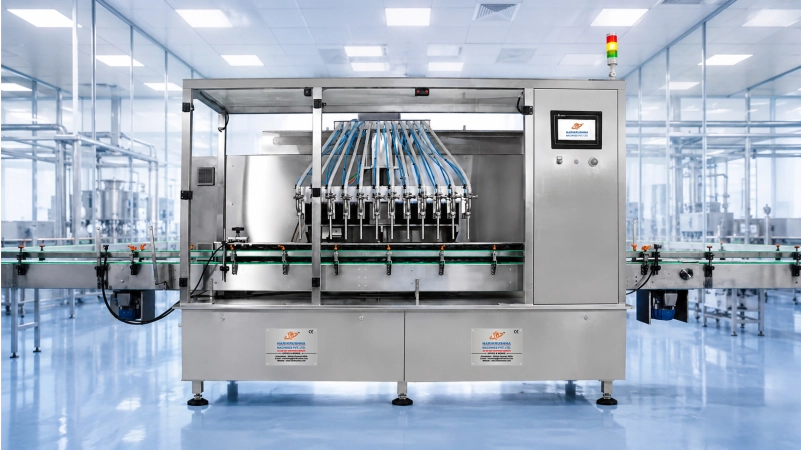
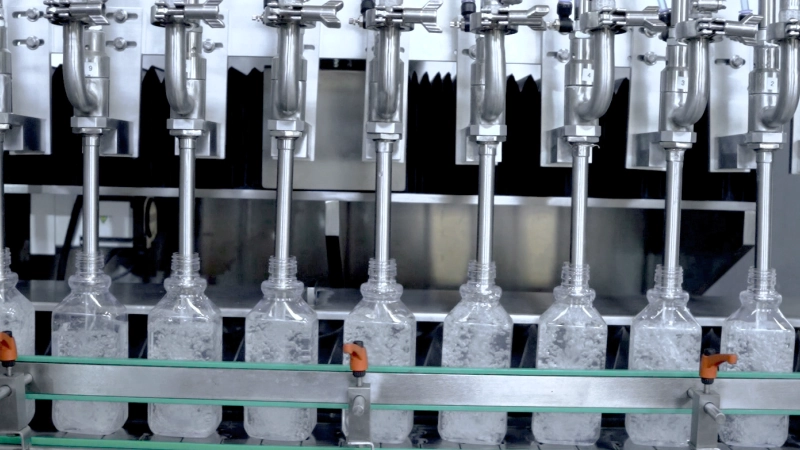
Automatic 12-head servo liquid filling machine with SS 316 contact parts
Figure 1: High-Performance Automatic Solutions Engineered by HMPL for Global Turnkey Packaging Lines.

As global supply chains become more demanding, reliance on outdated, manual, or semi-automated packaging processes is no longer a viable business strategy. This comprehensive guide explores the deep engineering principles behind advanced liquid filling systems, details the critical components of complete turnkey packaging lines, and examines how industries ranging from food and beverage to pharmaceuticals are leveraging an advanced automatic liquid filling machine to achieve unprecedented throughput and regulatory mastery.

Understanding Fluid Dynamics for an Automatic Liquid Filling Machine

The most fundamental engineering challenge in liquid packaging is managing the unique physical characteristics of the product being dispensed. Liquids behave radically differently under pressure, temperature variations, and kinetic movement. Applying a generalized, one-size-fits-all approach to filling machinery inevitably leads to catastrophic product waste, inconsistent dosing, and severe mechanical downtime.

The Critical Role of Viscosity in Pump Selection

Viscosity—the scientific measure of a fluid's resistance to flow—is the primary defining metric that must dictate the selection of your automatic liquid filling machine's pump and nozzle architecture. Free-flowing liquids, possessing a water-like viscosity, behave predictably but require careful handling to prevent splashing and product aeration. For these applications, engineers typically deploy standard volumetric systems utilizing highly sanitary peristaltic pumps. Peristaltic pumps ensure absolute sterility, as the liquid only makes contact with the internal flexible tubing, entirely bypassing the mechanical components of the pump itself.

Conversely, semi-viscous to highly viscous liquids present entirely different flow dynamics. Products such as heavy edible oils, cosmetic creams, honey, and petroleum jelly flow sluggishly and require immense mechanical assistance to move from the hopper to the container. For these challenging formulations, manufacturers must deploy piston filling machines or highly pressurized, servo-driven automatic liquid filling machine setups. Piston pumps provide the necessary pneumatic or mechanical force required to handle high-viscosity liquids, precisely pushing the heavy product out through the filling nozzle and severing the liquid stream cleanly to prevent dripping.

Engineering Metric Insight: For high-value formulations, precise pump synchronization via advanced PLC controllers minimizes unrecoverable financial losses due to product overfill across millions of production runs.

Engineering Solutions for Foaming and Suspended Particulates

Certain liquid formulations, particularly heavy-duty detergents, dairy products, and specialized chemical solutions, are inherently prone to severe foaming when agitated or dispensed at high velocities. To combat this phenomenon, advanced volumetric systems utilize a highly synchronized diving nozzle system.

Diving nozzle system preventing liquid foaming during bottle filling
Figure 2: Precision Material-Specific Solutions for Eliminating Aeration and Turbulence via Specialized Diving Nozzles.

In this mechanical configuration, the filling nozzles descend deeply into the container before the dispensing cycle initiates. As the liquid level gradually rises, the nozzle slowly retracts in perfect synchronization, ensuring the dispensing tip remains submerged below the surface of the liquid throughout the entire fill cycle. This sub-surface filling technique entirely eliminates the aeration that causes foaming, allowing for maximum operational speeds without the risk of product overflow.

Furthermore, liquids containing suspended particulates—such as pulpy citrus juices in the beverage industry or suspended active solids in certain agrochemical slurries—require specialized engineering. The internal pathways, valves, and pump chambers of the automatic liquid filling machine must be adequately sized and contoured to allow particulates to flow unhindered. This careful sizing prevents the clogging of nozzles and ensures a uniform, homogenous distribution of the solid particulates within every single container processed on the line.

Core Technologies: Categorization of Liquid Filling Machines

The selection of appropriate filling machinery is intrinsically linked to the facility's required bottles per minute (BPM), the desired level of labor automation, the available footprint, and the specific industry application.

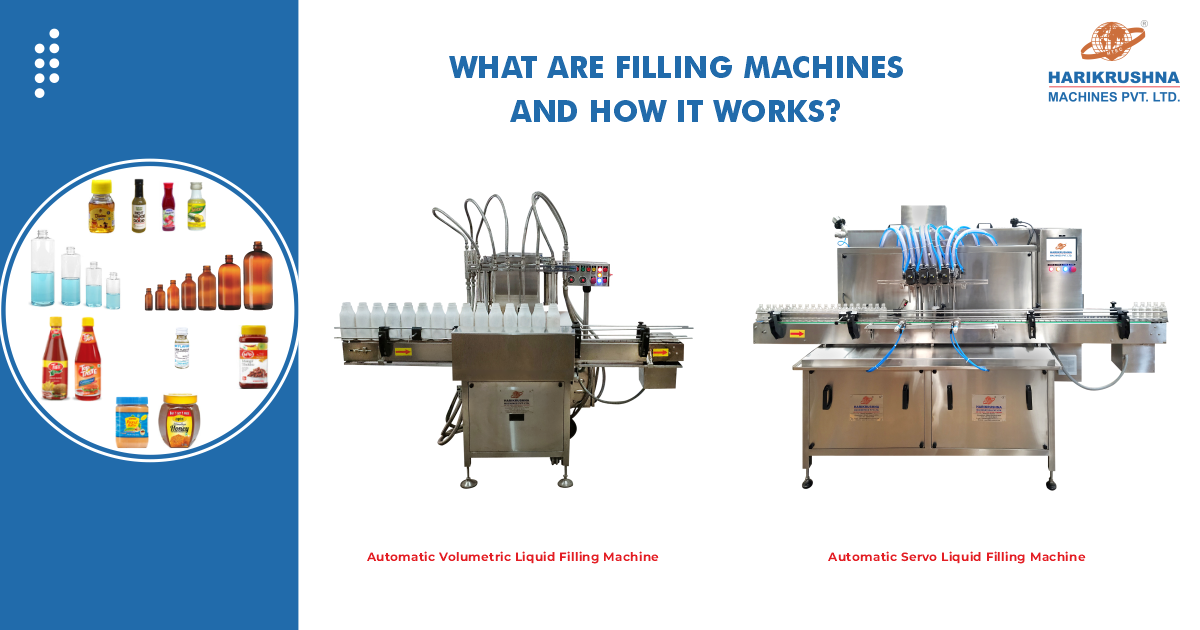
Automatic Volumetric Liquid Filling Machines

Automatic volumetric fillers serve as the primary workhorses of the global packaging industry. State-of-the-art systems, such as the Automatic Volumetric Liquid Filling Machine engineered for 15mm to 90mm diameter glass and PET bottles, operate utilizing hyper-precise syringes and adjustable dosing blocks. The hallmarks of elite automatic liquid filling machine systems include several critical engineering features:

  • High Precision Tolerances: Advanced machines guarantee a ± 1% filling accuracy tolerance on a single dose. This precision is critical for expensive pharmaceutical or chemical formulations where a 2% overfill across a million units results in massive financial losses.
  • Intelligent "No Bottle, No Filling" Mechanisms: Integrated smart sensors continuously monitor the presence of a container on the conveyor belt. If a spatial gap is detected, the machine's PLC instantly halts the specific nozzle operation for that position, preventing product waste.
  • GMP-Compliant MOC Standards: To comply with strict Good Manufacturing Practice (GMP) requirements, the heavy-duty frame structures feature MS painted cladding with access doors constructed of SS 304. Crucially, every single component that makes direct contact with the liquid product must be manufactured from premium SS 316 stainless steel to prevent corrosion, pitting, and ensure absolute sanitation.
Machine Configuration Throughput Range (BPM) Material Compliance Optimal Fluid Types
2-Head Entry System 10 - 20 BPM SS 304 / SS 316 Contact Parts Free-flowing Liquids, Low Viscosity Syrups
4-Head / 6-Head Modular 30 - 60 BPM SS 316 Premium Contact Parts Semi-viscous Oils, Standard Chemicals
12-Head Servo-Driven 100 - 120 BPM Full GMP SS 316L Framework Highly Viscous Creams, Foaming Detergents

These automatic systems are highly modular and scalable, available in diverse configurations ranging from entry-level 2-head systems scaling up to massive 12-head servo-driven systems capable of sustaining 100 to 120 Bottles Per Minute during continuous 24/7 operations.

Semi-Automatic Piston Filling Machines

While a fully automatic liquid filling machine dominates high-volume manufacturing, semi-automatic piston filling machines offer immense strategic value for smaller operations, pilot plants, and facilities handling extremely viscous materials in smaller, diverse batches. The primary advantage of semi-automatic machinery is extraordinary flexibility. They require lower initial capital investment, feature significantly shorter changeover times due to their simpler mechanics, and allow facilities to rapidly pivot production between vastly different product formats and viscosities with minimal engineering intervention.

Architectural Integration: Designing Turnkey Packaging Lines

A high-speed filling machine, regardless of its precision, cannot operate efficiently in an isolated vacuum. To realize true industrial ROI, manufacturers must implement complete turnkey packaging lines where every upstream and downstream process is seamlessly automated, synchronized, and monitored.

Phase 1: Precision Washing and Absolute Sterilization

Before the automatic liquid filling machine process can commence, containers must be impeccably clean. Automatic rotary bottle washing machines utilize sequential, high-pressure jets of water, compressed air, and specialized chemical cleaning agents to remove dust and microscopic particulates. In the highly regulated pharmaceutical sector, this washing phase is immediately followed by passage through advanced Sterilization Tunnels. These massive thermal units subject glass vials or ampoules to extreme dry heat, ensuring absolute sterility and the destruction of all pyrogens before the containers are allowed to enter the highly classified cleanroom filling environment.

Pharmaceutical glass vial washing and sterilization tunnel
Figure 3: Sterile Tunnel Integration for Cleanroom Upstream Container Processing.

Phase 2: Hermetic Sealing and Capping Machinery

Once the precise volume of liquid is dispensed, the container must be immediately and securely sealed to maintain product integrity, prevent oxidation, and secure it against contamination. Continuous thread cappers use sets of matched, precisely calibrated discs to spin caps down onto bottles as they move rapidly along a conveyor system. Vibratory bowls or mechanized elevators act as auxiliary equipment, automatically feeding the caps into the sorting chute to ensure a continuous supply. For comprehensive system setups, advanced Sealing and Capping Machinery ensures hermetic integrity across vast production batches.

For the distillery and pharmaceutical industries, Roll-On Pilfer-Proof (ROPP) capping machines are the standard. A specialized, rapidly rotating capping head descends, and precision rollers form the threads directly onto the bottle while simultaneously tucking a tamper-evident ring under the neck finish, providing both a hermetic seal and undeniable tamper evidence.

ROPP capping machine for distillery packaging line
Figure 4: Automated Machinery Sealing Closure Application Mechanics Setup.

Phase 3: Traceable Labeling and End-of-Line Packaging

The final stages of the turnkey line involve high-speed automatic sticker labeling machines. These versatile units can apply wrap-around labels on round bottles, or execute precise double-sided label applications on flat containers, at speeds that perfectly match the upstream equipment. For advanced compliance, particularly in pharmaceuticals, these labeling machines are inextricably integrated with 21 CFR Part 11 compliant computer systems, ensuring rigorous digital traceability and immutable audit trails.

Following the labeling phase, shrink sleeve applicator machines apply full-body graphical sleeves or tamper-evident neck bands. The containers then pass through specialized shrink tunnels, utilizing controlled heat to conform the plastic seamlessly. Finally, automated case packers and highly accurate multihead weighers prepare the individual units for palletizing, ensuring the final shipped product meets all weight regulations prior to global distribution.

Sector-Specific Compliance and Application Engineering

Advanced Pharmaceutical Packaging Lines

The pharmaceutical industry operates under the most stringent, unforgiving regulatory environments globally. Injectable medications, which bypass the human digestive system and enter the bloodstream directly, require packaging architectures that guarantee absolute sterility, stability, and impenetrable Container Closure Integrity (CCI). Highly sophisticated Pharmaceutical Packaging Lines managing vials—whether utilizing moulded glass for structural mechanical stability or tubular borosilicate glass for high precision and thermal resistance—must be handled with extreme care to prevent micro-fractures during high-speed transit from the automatic liquid filling machine.

Furthermore, Water for Injection (WFI) containers represent the absolute pinnacle of sterile packaging requirements. They must be manufactured with high-grade, infinitely secure seals to maintain absolute purity, preventing any microscopic ingress of environmental contaminants that could catastrophically compromise life-saving medical formulations. The industry is also seeing a massive shift toward advanced robotic pre-filled syringe (PFS) filling and stoppering machines.

Chemical and Agrochemical (Pesticide) Operations

The packaging of industrial pesticides, concentrated fertilizers, and raw chemicals presents unique, life-critical hazards. These liquid formulations are frequently highly toxic, intensely corrosive, and volatile. The entire packaging line in these facilities must be constructed with specialized anti-corrosive materials. Filling accuracy is paramount, not merely for corporate cost control, but to strictly comply with severe environmental and safety regulations regarding the transport of hazardous materials. Automatic induction cap sealing machines are heavily utilized in this sector to fuse a foil seal across the bottle opening, providing a hermetic barrier that prevents dangerous leaks during transit.

Distillery and Premium Beverage Processing

In the global distillery sector, packaging operations must preserve the precise, delicate chemical composition of high-value alcoholic beverages—like premium whisky, aged rum, and distilled vodka—while simultaneously maximizing consumer shelf appeal through flawless presentation. Filling machines in distilleries must handle high-proof, highly flammable alcohol safely. This often necessitates the engineering of explosion-proof electrical enclosures and entirely pneumatic control systems to eliminate ignition risks. Furthermore, the equipment must handle premium glass bottles delicately to prevent any visual scratching or scuffing, and apply highly secure closures—like natural cork stoppers or ROPP aluminum caps—to prevent oxidation and the disastrous evaporation of volatile aromatic flavor compounds.

Technical Frequently Asked Questions (FAQs)

Q: How does the specific viscosity of a liquid impact the selection of a filling machine pump?
A: Viscosity is the absolute critical determining factor in pump architecture. Water-like, free-flowing liquids are best handled by gravity fillers or peristaltic pumps. Conversely, highly viscous liquids like heavy industrial oils, cosmetic creams, or honey require the immense mechanical force generated by piston pumps on an automatic liquid filling machine to ensure accurate dosing.
Q: What is the strategic difference in ROI between semi-automatic and fully automatic packaging machinery?
A: Semi-automatic machines are ideal for operations featuring smaller batch sizes and requiring frequent format changeovers due to their high flexibility. However, for facilities aiming to scale exponentially, investing in a fully automatic line provides vastly superior long-term ROI. This is achieved through massive labor reduction, minimized product giveaway via strict ± 1% accuracy tolerances, and consistent, uninterrupted 24/7 throughput.
Q: How do advanced volumetric filling machines physically prevent liquid foaming and spillage on the line?
A: Elite volumetric machines utilize a synchronized diving nozzle system. The metallic nozzles mechanically descend to the very bottom of the empty container and slowly rise in perfect tandem with the dispensing liquid level. This ensures the dispensing point remains constantly submerged, preventing the aeration that causes severe foaming.
Q: Why are SS 316 and SS 304 materials legally mandated in pharmaceutical and food packaging machinery?
A: Stainless Steel (SS) 304 is typically utilized for the machine's external frame cladding due to its excellent structural durability. However, Stainless Steel (SS) 316 is strictly mandated for all internal wetted parts that make direct physical contact with the liquid product (such as the syringes and nozzles). SS 316 contains the element molybdenum, which provides vastly superior molecular resistance to corrosion, pitting, and chemical degradation.

Optimizing Production with Turnkey Packaging Solutions

The strategic transition from outdated manual or disjointed processes to fully integrated, turnkey packaging lines represents one of the most significant operational upgrades a manufacturing facility can execute. By deeply understanding the specific rheological requirements of a product's viscosity and the exact tolerances legally required by industry regulations, industrial manufacturers can drastically reduce waste, guarantee compliance, and maximize long-term throughput.

When evaluating capital equipment investments, partnering with a machinery manufacturer that understands the complex nuances of complete line integration—spanning from sterile washing and an advanced automatic liquid filling machine to high-speed digital labeling and automated case packing—is not just an operational choice; it is a foundational requirement for long-term industrial dominance.

Have you ever thought about how bottles, tubes, cans, and containers of all shapes and sizes are filled with their content? Well, there is no more magic! Filling machinery is being used by industries to fill every kind of container. Examples of Industries that use this type of machinery include:


  • Pharmaceutical Products
  • Food & Beverages (Sauces, Dairy, Beverages, Canned goods, and more)
  • Paint Related Products
  • Industrial Chemicals
  • Contract Packaging
  • Distilleries and many more!


Do They All Serve the Same Purpose?


The different types of filling machines, capping mahines, and other similar machines are as diverse as the products and industries that require their service! The design of the machine is uniquely structured to take on specific tasks and specific products. Additionally, there are two basic categories that these types of machines fall into: the automatic and the semi-automatic production filling machine.


Every need for a filling machine in any industry is met perfectly by the wide variety of these types of machines in the world today. A few of the most common machines include:


Overflow Filler – This machine is most commonly used in the filling of small bottles in a variety of different industries. The simple setup and cleanup of the overflow filling machine make it ideal for industries that require the filling of containers in mass quantities. Designed with foam control technology, these machines are very often used in operations requiring fill-to-glass needs.


Net Weigh Filler – Most commonly used in industries whose products are filled by weight, the net weight filling machine is a scale-based machine that can handle virtually any type of weight-based filling task. These machines are generally used to fill totes or pails and can take on jobs that require precise filling of small weights, bulk weights, and everything in between.


Time Gravity Filler – This type of machine is best used by companies whose chief products consist of very thin liquids with little to no particulates, and whose physical qualities do not change due to atmospheric changes or changes in temperature. Chemical industries are a perfect example of the use of time gravity-filling machines, as they perfectly handle these types of liquids.


These examples are just a few of the dozens of different varieties of filling machines available to industries all over the world. These machines are designed and manufactured to make sure your product is available for purchase as quickly and efficiently as possible.


loading...

    HMPL

    Request For Quote!

    Share your requirement below and our team will connect with you shortly.