
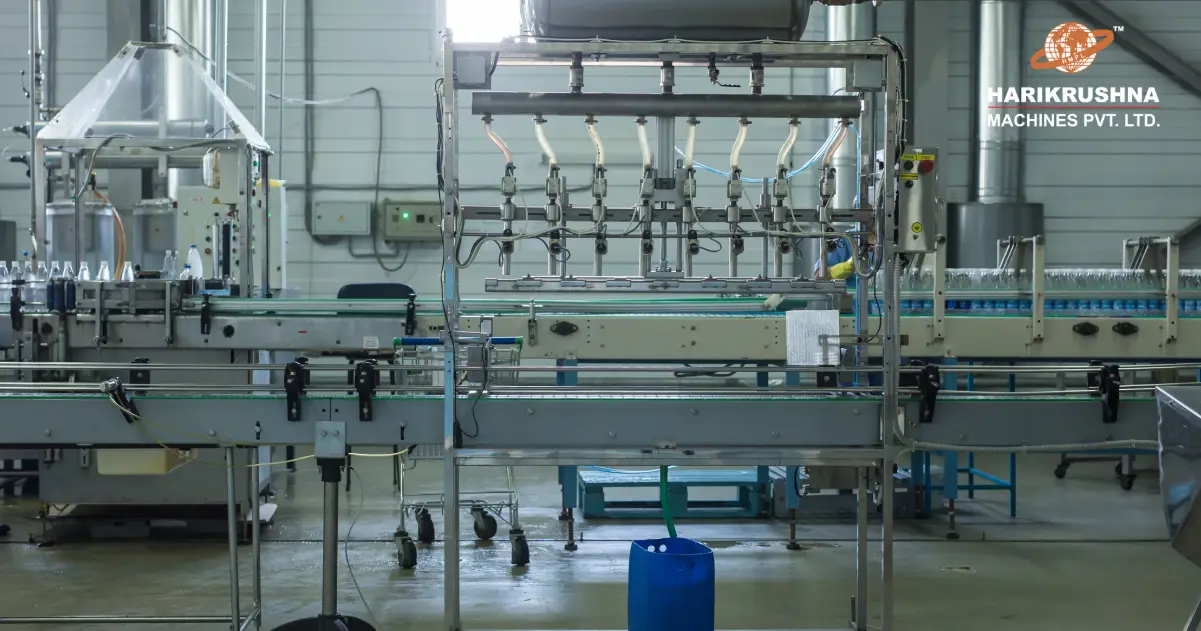
What is the Liquid Filling Process? A Complete Guide to Modern Automated Filling Systems
The liquid filling process is a critical step in modern manufacturing where producers accurately dispense liquids into containers such as bottles, jars, or containers. Manufacturers rely on this process to ensure consistency, maintain hygiene, and meet strict quality standards across industries like pharmaceuticals, food and beverages, cosmetics, and chemicals. By using Automatic Liquid Filling Machines, businesses minimise product wastage, maintain uniformity in volume, and enhance overall production efficiency.
Today’s automatic in-line filling systems streamline operations by integrating multiple stages into a single, continuous workflow. These advanced frameworks handle container feeding, filling, capping, and sometimes labelling with remarkable speed and accuracy. Manufacturers design these systems to work with a wide range of liquid types—from free-flowing liquids like water to highly viscous products such as syrups, oils, and creams. With automation, companies reduce human intervention, lower the risk of contamination, and significantly improve production output.
Modern Automatic Liquid Filling Machines also adapt to evolving industry demands by offering flexibility, scalability, and smart control features. Operators can easily adjust fill volumes, speeds, and container sizes through user-friendly interfaces, ensuring quick changeovers and minimal downtime. By adopting these intelligent systems, businesses not only meet regulatory requirements but also enhance product quality, reduce operational costs, and stay competitive in a rapidly advancing market.
How to Choose the Right Liquid Filling Machine – 10 Key Factors for Manufacturers
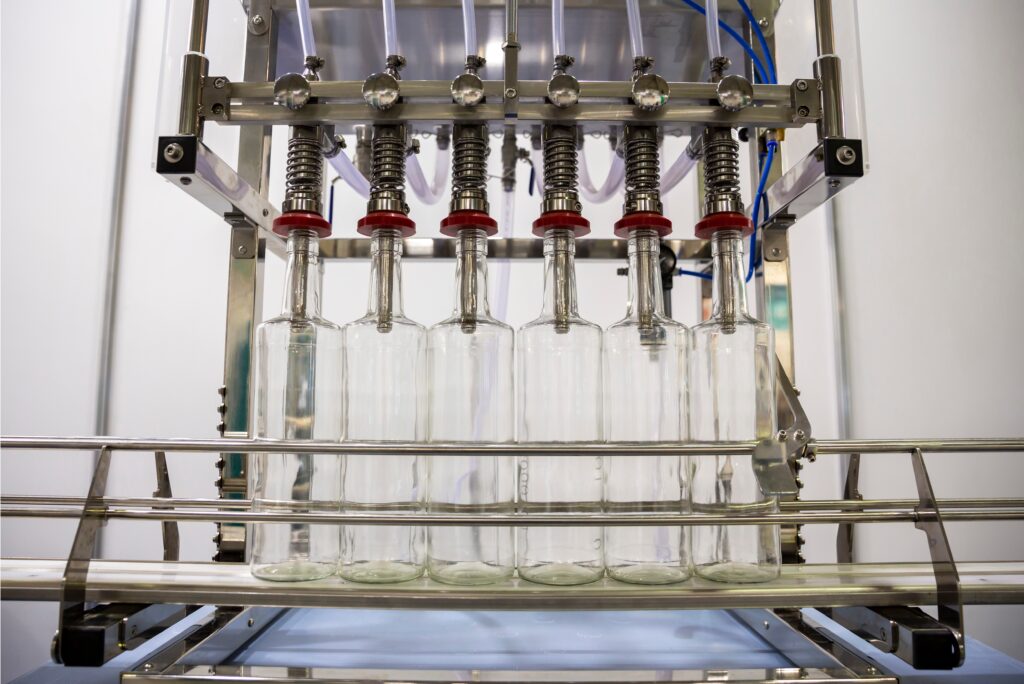
- Product Characteristics
Evaluate whether your product is free-flowing or viscous, foamy, corrosive, or temperature-sensitive, as this directly determines the suitable filling technology (gravity, piston, servo, etc.). - Filling Accuracy Requirements
Choose a machine that delivers the required level of precision to minimize product wastage and maintain consistent quality. - Production Capacity (CPM/BPM)
Assess your required output in Containers/Bottles Per Minute and select a machine that can meet both current and future production demands. - Level of Automation
Decide between manual, semi-automatic, or fully automatic systems based on your production scale, labour availability, and long-term growth plans. - Container Type & Size Flexibility
Ensure the machine supports various container shapes, sizes, and materials like PET, HDPE, or glass, with minimal changeover time. - Product Compatibility & Material of Construction
Check that contact parts are made from suitable materials like SS 316 for hygiene and chemical compatibility, especially for pharma and food applications. - Ease of Operation & Control System
Opt for machines with user-friendly PLC and HMI interfaces that allow easy adjustments, monitoring, and quick troubleshooting. - Cleaning & Maintenance Requirements
Consider machines with easy cleaning systems (CIP/SIP options, drain valves) and minimal maintenance to reduce downtime. - Safety & Compliance Standards
Ensure the machine complies with GMP, CE, and other industry standards, and includes safety features like enclosures, interlocks, and overload protection. - After-Sales Support & Spare Availability
Choose a manufacturer that offers strong technical support, quick service response, and easy availability of spare parts to ensure uninterrupted operations.
These points help manufacturers make a strategic, future-ready investment in liquid filling technology.
Liquid Filling Process for Various Industries
Every industry demands a tailored approach to liquid filling, and modern systems adapt seamlessly to diverse applications. Whether manufacturers handle beverages, dairy products, edible oils, chemicals, cosmetics, or distillery products, they rely on specialized filling technologies to maintain product integrity and efficiency. Each product comes with unique characteristics—such as viscosity, foaming nature, or sensitivity—which require the right filling method, from gravity and volumetric filling to piston and servo-driven systems/ Automatic Liquid Filling Machines. By aligning the filling process with industry-specific requirements, businesses ensure precision, hygiene, and consistent output.
Understanding the product and its application plays a crucial role in selecting the right Automatic Liquid Filling Machine. Manufacturers carefully evaluate factors like product composition, shelf life, and storage conditions before choosing suitable containers such as bottles, jars, pouches, or jerry cans. At the same time, they track evolving market trends that influence packaging preferences, including convenience, sustainability, and branding appeal. By combining product knowledge with market insights, businesses create packaging strategies that not only protect the product but also attract consumers and strengthen brand positioning.
Choosing the right packaging material further enhances the effectiveness of the liquid filling process. Materials like glass, PET, HDPE, PP, and other plastics offer different advantages in terms of durability, compatibility, and cost-effectiveness. For example, glass provides excellent chemical resistance and premium appeal, while PET and HDPE offer lightweight, durable, and versatile solutions for high-speed production lines. By selecting the appropriate material and integrating it with advanced filling systems, manufacturers optimize performance, reduce waste, and deliver reliable, high-quality products across industries.
Manual, Semi-Automatic, and Fully Automatic Machine Operations Comparison
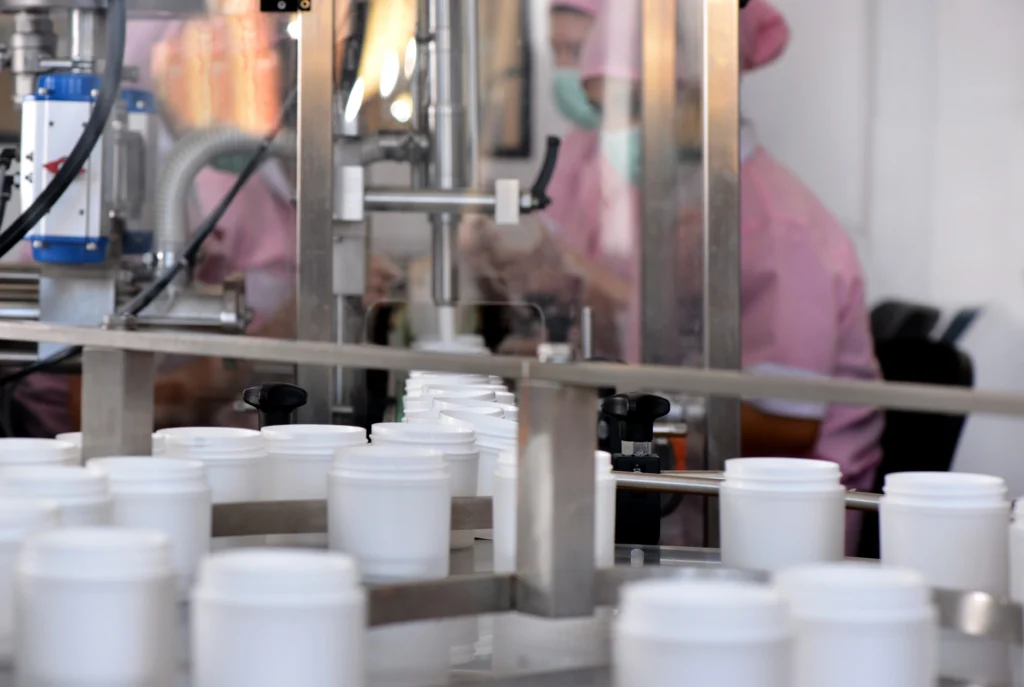
When manufacturers evaluate filling operations, they often compare manual, semi-automatic, and fully automatic systems to determine the best fit for their production needs. Manual filling relies heavily on human effort, where operators control each step of the process. Semi-automatic machines combine operator involvement with mechanized assistance, improving consistency and reducing fatigue. Fully Automatic Liquid Filling Machines, on the other hand, handle the entire process—from container handling to filling and capping—without constant human intervention, delivering speed, precision, and scalability.
Production efficiency becomes a key deciding factor, especially when measured in CPM (Containers Per Minute). Manual operations typically achieve lower CPM rates and may struggle to maintain consistency across large batches. Semi-automatic systems increase output while maintaining better accuracy, making them suitable for mid-scale production. Fully automatic machines excel in high-speed environments, achieving significantly higher CPM with minimal variation, enabling manufacturers to meet large-scale demand while maintaining strict quality standards.
Businesses must also consider factors such as investment cost, labour dependency, product type, and long-term growth when choosing the right level of automation. Manual systems offer low initial investment but require more labour and time, while semi-automatic solutions strike a balance between cost and performance. Fully automatic machines demand higher upfront investment but deliver long-term benefits through reduced labour costs, improved efficiency, and consistent output. By carefully analyzing these components, manufacturers can select a filling solution that aligns with their operational goals and future expansion plans.
Know Your CPM (Containers Per Minute)
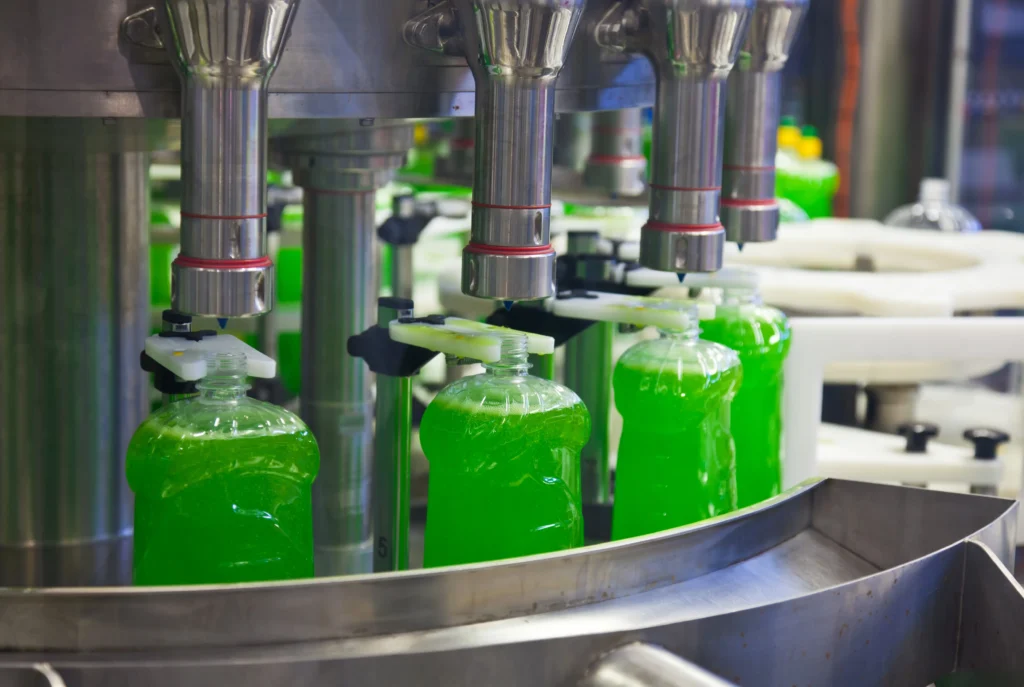
Understanding your current CPM (Containers Per Minute) gives you a clear picture of your production efficiency and capacity. This metric acts as a baseline that helps you evaluate how well your existing filling process performs. By tracking how many containers your line fills per minute, you can identify gaps in speed, consistency, and overall output. A well-defined CPM not only highlights your current capabilities but also sets a measurable target for future improvements.
Manufacturers must also evaluate several key factors alongside CPM to make informed decisions about automation. These include the type of containers used on the production line, fill volumes, and daily production requirements. For example, different container shapes, sizes, and materials can directly impact filling speed and accuracy. Additionally, understanding your plant environment—such as available space, workflow design, and hygiene standards—ensures that any upgrade or automation integrates smoothly into your existing setup.
By combining CPM analysis with operational insights, businesses can determine the right time to transition toward automation. If your current system struggles to meet growing demand or maintain consistency, it may signal the need for semi-automatic or fully automatic solutions. On the other hand, stable CPM with manageable output may justify continuing with existing systems. When you assess these variables strategically, you position your production line for higher efficiency, scalability, and long-term growth.
More Than Just a Filling Unit
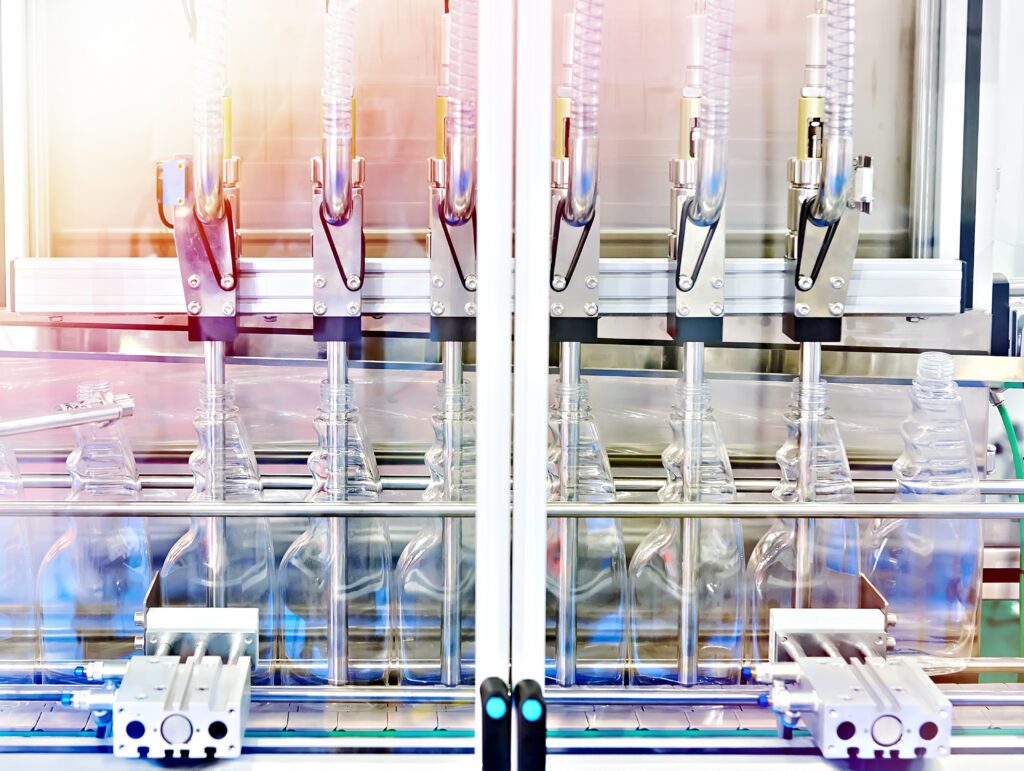
Modern Automatic Liquid Filling Machines go far beyond basic filling operations. Today’s automated solutions handle multiple tasks within a single, streamlined process, including filling, capping, and labelling containers with precision and speed. These integrated systems ensure that products move efficiently from one stage to the next, allowing containers to roll off the production line fully finished and ready for distribution. By combining multiple functions, manufacturers reduce manual handling, improve consistency, and maintain high hygiene standards.
Flexibility stands as one of the biggest advantages of advanced packaging lines. Manufacturers can easily scale production as demand grows, increasing output without compromising quality or efficiency. These systems also adapt to different container sizes, shapes, and fill volumes, making them ideal for businesses that offer a diverse product range. Whether production requirements increase or packaging formats evolve, automated lines adjust seamlessly, ensuring uninterrupted operations and minimal downtime.
Automation continues to shape the future of the liquid packaging industry by delivering unmatched efficiency and adaptability. Businesses can respond quickly to production fluctuations, whether handling sudden demand spikes or managing lower output periods. With their ability to integrate with various production components and maintain consistent performance, automated in-line filling systems help companies strengthen productivity, reduce operational costs, and secure a long-term competitive advantage in an ever-evolving market.
Harikrushna Machines Pvt. Ltd. – Trusted Global Partner for Processing & Packaging Solutions
- Harikrushna Machines Pvt. Ltd. brings over 25 years of expertise as an OEM manufacturer of processing plants and packaging machinery based in Ahmedabad, Gujarat, India.
- We have successfully delivered and installed more than 13,000 machines across 67+ countries worldwide.
- We design and manufacture high-quality machinery at competitive prices, offering customized solutions to meet diverse production requirements.
- We provide reliable after-sales support and ensure easy availability of spare parts to minimize downtime and maintain smooth operations.
- We offer standalone machines, complete packaging lines, and a wide range of packaging ancillary equipment for end-to-end solutions.
- We serve industries including pharmaceuticals, beverages, cosmetics, dairy, distillery, edible oil, food, lube oil, household cleaning products, paints, chemicals, and allied sectors—from startups and SMEs to large-scale enterprises.
Automatic Volumetric Liquid Filling Machine
Harikrushna Machines offers an Automatic Volumetric Liquid Filling Machine designed to accurately fill 10 ml to 5000 ml in glass and PET bottles at speeds of up to 120 bottles per minute. The machine features a robust main structure, a product transmission belt with adjustable guides, and an optional safety acrylic enclosure supported by an SS pipe frame for enhanced protection. It incorporates a pneumatic or mechanical stopping system, precision nozzles and syringes for accurate dosing, and a well-integrated electrical setup that includes a motor, sensors, AC drive, and main ON/OFF controls. This advanced configuration ensures efficient, consistent, and high-speed liquid filling operations across various applications.
Model & Key Features:
Harikrushna Machines offers a versatile range of Automatic Volumetric Liquid Filling Machine models, from HMPL-VLF-2 to HMPL-VLF-12, designed to deliver output speeds from 10 to 120 bottles per minute, depending on the number of filling heads. Each machine operates with precision and consistency, achieving ±1% filling accuracy while supporting quick changeovers between different bottle sizes and fill volumes. The system uses a diving nozzle mechanism that fills bottles efficiently without spillage, along with a “No Bottle No Filling” feature to prevent product loss. With synchronized AC drives for both the main motor and conveyor, and an adjustable conveying system, the machine ensures smooth, high-speed, and controlled production.
Engineers design the machine in compliance with GMP standards, using a robust MS painted frame with SS 304 cladding and SS 316 contact parts such as syringes and nozzles to ensure hygiene and durability. The matt-finished stainless steel body enhances both aesthetics and corrosion resistance, while self-lubricating UHMW-PE guide profiles enable low-friction, noiseless conveying. Additional features such as drain and drip trays, pharma-grade PVC braided tubes, and a rigid vibration-free construction support clean, efficient, and reliable operation across demanding production environments.
Filling Process: How does it work?
Operators benefit from a user-friendly control panel that provides complete operational control and displays all interlocks for safety and monitoring. The machine integrates advanced safety and protection systems, including overload protection via MCBs, and built-in safeguards against overcurrent, voltage fluctuations, and short circuits in the AC drive. With pneumatic or mechanical bottle-stopping systems, safety guards for key components, and CE-certified electrical and pneumatic parts, the machine delivers dependable performance, minimal downtime, and long-term operational reliability for a wide range of industries.
The machine ensures a smooth and precise filling operation by guiding bottles along an SS slat conveyor toward the filling station, where a dual pneumatically or mechanically operated stopper system positions each bottle accurately beneath the nozzles. The system synchronizes reciprocating nozzles with bottle movement to maintain perfect alignment and prevent spillage during filling. To handle different liquid characteristics, especially foaming products, the adjustable diving nozzles move inside the bottle and rise gradually as the liquid reaches the desired level, ensuring clean and efficient filling. Operators can easily control and fine-tune the fill volume using the dosing block, which features a conveniently placed hexagonal adjustment mechanism below the syringes, allowing quick and accurate volume changes for various production requirements.
Model, Key Features & Technical Data:
The Automatic Volumetric Liquid Filling Machine delivers versatile performance by handling round glass and PET bottles with diameters ranging from 15 mm to 90 mm, operating at speeds of 30 to 120 bottles per minute. It efficiently fills volumes from 10 ml to 5000 ml and supports multiple configurations with 2, 4, 6, 8, 10, or 12 filling heads to suit varying production demands. Designed for flexibility, the machine processes a wide range of free-flow, non-acidic liquids—from water-like consistency to viscous products such as honey—while maintaining smooth left-to-right bottle movement along an adjustable conveyor set at 875 ± 50 mm height.
Built for industrial reliability, the system operates on a three-phase power supply (415V AC, 50 Hz) and requires an air supply of 4 to 6 Kg/cm² for pneumatic stopper functions. With a sturdy structure weighing approximately 450 kg and compact dimensions of 1525 mm in length, 1070 mm in width, and 1370 ± 50 mm in height, it fits efficiently into production environments. The machine also offers easy adaptability through the change of parts, such as syringes, allowing operators to adjust filling volumes quickly and efficiently, ensuring seamless operation across different product requirements.
Automatic Servo Liquid Filling Machine
The Automatic Servo Liquid Filling Machine delivers precise and efficient filling for viscous liquids, handling 50 ml to 1000 ml in round and oval glass or PET bottles at speeds of up to 120 bottles per minute. It features a robust main structure with a product transmission belt and adjustable guides to ensure smooth container movement, along with a material storage tank for continuous operation. The machine uses advanced servo-based filling pumps and nozzles to achieve high accuracy and consistency, supported by a pneumatic bottle-stopping system that ensures proper positioning during filling. Equipped with a PLC and HMI for easy control, an electrical panel, motor, and AC drive, the system offers seamless automation, while an optional safety polycarbonate enclosure enhances operator protection. Additionally, the integrated high/low liquid level sensor in the tank optimizes performance by maintaining a consistent product supply throughout the filling process.
Harikrushna Machines offers a comprehensive range of Servo Liquid Filling Machine models from HMPL-PRE-RBF-2 to HMPL-PRE-RBF-12, designed with 2 to 12 filling heads to achieve output speeds from 10 to 120 bottles per minute. These machines deliver high precision and flexibility, allowing each filling head to operate and be monitored independently through an advanced PLC system. With servo-based filling pumps and diving nozzle technology, the system ensures accurate, spill-free filling while maintaining consistent performance across various product types. The intelligent design eliminates the need for changing parts when switching between different bottle sizes or fill volumes, significantly reducing downtime and improving productivity.
Model & Key Features:
Engineers design the machine as per GMP standards, ensuring hygiene, durability, and efficient operation. The unit features a compact and versatile SS square pipe frame with SS 304 enclosures, while all contact parts, such as filling pumps and nozzles, use SS 316 for superior product safety. The machine integrates a storage tank with automatic high/low-level sensors, along with drain and drip trays for clean and controlled operation. Its diving filling system, supported by pneumatic cylinders, minimizes foaming and ensures precise dosing, while the auto control valve and air-operated NRV maintain smooth material flow. With easy-to-clean components and an inbuilt storage tank, the system supports quick maintenance and efficient cleaning processes.
Operators benefit from a user-friendly PLC and HMI interface that provides complete control, real-time monitoring, and fault indications such as low air pressure, low liquid levels, or no product conditions. The machine automatically stops and alerts the operator in case of any irregularities, ensuring safety and preventing product loss. Built with reliable, CE-certified components from globally recognized brands, the system offers long-term performance with minimal maintenance due to reduced mechanical complexity. With features like servo motor-driven pumps for fast material transfer, flexible operation modes, and quick cleaning capabilities, the Servo Liquid Filling Machine delivers a powerful, efficient, and future-ready solution for modern liquid packaging needs.
Operation:
The Servo Liquid Filling Machine operates on a fully automatic, PLC-controlled system that ensures smooth and intelligent production flow. Once switched on, the machine automatically checks the air supply and the liquid level in the storage tank to confirm readiness. It then activates the priming system, which efficiently draws material from the feed tank to the nozzle end, removing any trapped air to maintain a consistent and uninterrupted flow. Operators can precisely set the desired filling volume using time and flow rate parameters, after which the conveyor starts transferring bottles under the filling heads. Sensors detect and position each container accurately using stoppers, allowing diving nozzles to fill the product with high precision and minimal spillage. After filling, the bottles move seamlessly to the next stage for sealing, while the PLC system continuously monitors batch production, ensuring efficiency, accuracy, and complete control throughout the operation.
Technical Data:
The Servo Liquid Filling Machine delivers high-performance operation with the capability to handle a wide range of bottle sizes and fill volumes while maintaining excellent accuracy and speed. It supports multiple head configurations to achieve output speeds of up to 120 bottles per minute, depending on product characteristics and container dimensions. The machine operates on a stable three-phase power supply and integrates advanced servo-driven technology for precise dosing, along with PLC and HMI controls for easy operation and monitoring. Designed to process viscous liquids efficiently, it accommodates various container formats such as round and oval glass or PET bottles, while its robust construction, optimized conveyor height, and compact footprint ensure seamless integration into modern production lines.
Automatic Piston Filling Machine
The Automatic Piston Filling Machine delivers precise and reliable filling performance, especially for viscous and semi-viscous products, using a robust 2-head configuration. It features a sturdy main structure integrated with a product transmission belt and adjustable guides to ensure smooth bottle movement and accurate positioning. The machine includes a jacketed storage tank that maintains product consistency during filling, along with pneumatically operated filling nozzles and a bottle-stopping system for controlled, spill-free operation. Equipped with a PLC and HMI for easy control, along with sensors, an electrical panel, a motor, and an AC drive, the system ensures efficient automation and consistent output. An optional safety polycarbonate enclosure with an SS pipe frame enhances operator safety, making the machine a dependable solution for modern liquid packaging lines.
Key Features:
Harikrushna Machines offers a wide range of Automatic Piston Filling Machine models from HMPL-PLF-2 to HMPL-PLF-12, designed with 2 to 12 filling heads to achieve output speeds from 10 up to 120 bottles per minute. These machines deliver excellent accuracy of ±1% while handling a variety of viscous and semi-viscous products with consistency and precision. The system integrates a special pneumatic filling mechanism along with individual control for each filling head, allowing operators to fine-tune every nozzle for optimal performance. With features like a “No Bottle No Filling” system, synchronized AC drives, and minimal changeover time between different bottle sizes or fill volumes, the machine ensures efficient, flexible, and high-speed production.
Engineers design the machine as per GMP standards using a robust SS square pipe frame with SS 304 enclosures and SS 316 contact parts combined with silicon, Teflon, nylon, and PVC for enhanced durability and hygiene. The machine includes a 20-liter jacketed tank with a stirrer to maintain product consistency, along with a smooth and noiseless conveying system supported by UHMW-PE guide profiles. Operators benefit from an elegant control panel with a 7” touchscreen HMI and PLC integration for complete control and monitoring, while safety features such as polycarbonate enclosures (optional), safety guards, MCB protection, and CE-certified components ensure reliable and secure operation across demanding industrial environments.
Operation:
The Automatic Piston Filling Machine ensures a smooth and precise operation by guiding bottles along an SS slat conveyor toward the filling station, where a dual pneumatically operated stopper system positions each bottle accurately beneath the nozzles. The synchronized stoppers and reciprocating nozzles align perfectly to center the bottles, preventing spillage during the filling process. The pneumatic filling system efficiently draws material from the storage tank and continuously dispenses it into the bottles with consistent accuracy. Once the bottles reach the desired fill volume, the stopper system releases them seamlessly, allowing the filled containers to move forward for the next stage of capping, ensuring an efficient and uninterrupted production flow.
Technical Data:
The Automatic Piston Filling Machine handles round PET and HDPE bottles or jars with ease, delivering accurate filling for viscous products such as balm, cream, lotion, butter, and mayonnaise across a range of 5 grams to 1000 grams using appropriate change parts. It offers flexible configurations with 2 to 12 filling heads based on customer requirements and operates with a 20-liter storage tank to maintain continuous production. The system supports left-to-right movement and achieves output speeds of up to 20 products per minute, depending on product viscosity and manual loading conditions.
Built for stable performance, the machine requires an air pressure of 8 to 10 Kg/cm² with a regulator and filter, and runs on a three-phase 415V AC power supply. With an adjustable working height of 875 ± 50 mm, a sturdy structure weighing approximately 350 kg, and compact dimensions, the machine integrates seamlessly into production lines while ensuring efficient and reliable operation.
All three machines deliver versatile and reliable performance across a wide range of industries, including pharmaceuticals, beverages, cosmetics, dairy, distillery, edible oil, food, lube oil, household cleaning products, paints, chemicals, and allied sectors.
They efficiently handle diverse product applications, from free-flowing liquids to highly viscous formulations. Each machine maintains high precision and consistent filling accuracy.
Automatic Liquid Filling Machines adapt easily to different container sizes, shapes, and materials. They also perform reliably under varying production conditions, including temperature changes and product sensitivity.
With this level of flexibility and control, manufacturers can optimise productivity, maintain product integrity, and meet evolving industry demands with confidence.